
Introduction
Parquet flooring adds a touch of elegance and sophistication to any space. When choosing parquet flooring, you may come across two main types: solid parquet and semi-solid parquet. In this blog, we’ll explore the differences between these options and help you decide which is the best fit for your home.
What is Solid Parquet Flooring?
Solid parquet flooring is made from 100% solid wood. Each piece is crafted from a single piece of timber, offering unmatched authenticity and beauty. Key features of solid parquet flooring include:
- Durability: Extremely long-lasting and can be sanded and refinished multiple times.
- Aesthetic Appeal: Rich, natural look that adds value to your home.
- Environmental Impact: Made from natural materials, making it an eco-friendly option.
- Luxury: Solid wood provides a premium, luxurious feel.
What is Semi-Solid Parquet Flooring?
Semi-solid parquet flooring, also known as engineered parquet, consists of a top layer of real wood bonded to multiple layers of plywood or other materials. Key features include:
- Stability: More resistant to changes in humidity and temperature than solid parquet, reducing the risk of warping.
- Installation Flexibility: Can be installed over concrete or radiant heating systems, and is often easier to install than solid wood.
- Cost-Effective: Generally less expensive than solid parquet while still offering the look and feel of real wood.
- Durability: Although it cannot be sanded as many times as solid wood, it still offers a durable surface suitable for most homes.
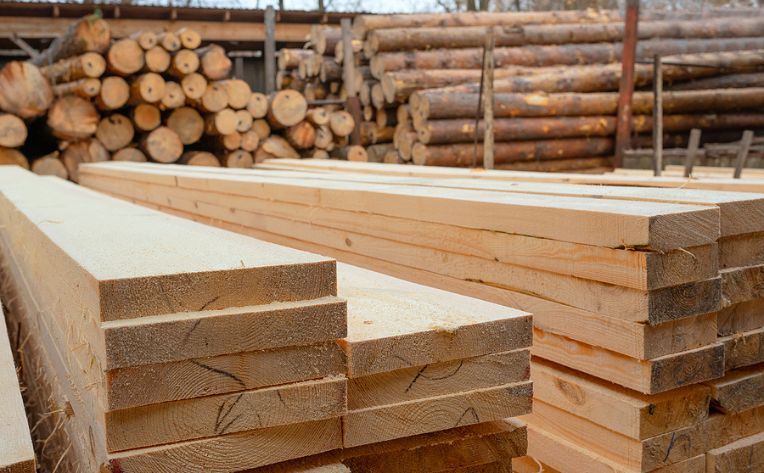
Comparison: Solid vs. Semi-Solid Parquet
- Durability: Solid parquet can be refinished more times, but semi-solid offers greater stability in fluctuating climates.
- Installation: Semi-solid parquet offers more installation options, including over existing flooring and radiant heating.
- Cost: Semi-solid parquet is typically more affordable while still providing the appearance of solid wood.
- Environmental Impact: Solid parquet is made entirely from natural wood, while semi-solid uses a combination of real wood and other materials, often making it more sustainable.
Advantages of Solid Parquet Flooring
- Longevity: Can be sanded and refinished multiple times, extending its lifespan.
- Natural Beauty: Offers a rich, authentic look that enhances the aesthetic of any room.
- Value Addition: Increases the value of your home due to its premium nature.
- Environmental Friendliness: Made from 100% natural materials, solid parquet is a sustainable choice.
Advantages of Semi-Solid Parquet Flooring
- Stability: Offers better stability in areas with fluctuating humidity and temperature.
- Versatility: Can be installed in more areas of the home, including over concrete and radiant heating systems.
- Cost Efficiency: Generally more affordable than solid parquet, making it a budget-friendly option.
- Ease of Installation: Often easier and quicker to install than solid wood, making it a convenient choice for DIY projects.
Which Should You Choose?
If you prefer the traditional appeal and longevity of natural wood and are willing to invest more upfront, solid parquet is an excellent choice. If you’re looking for a more affordable option that’s easier to install and maintain, semi-solid parquet could be the better option.
Conclusion
Both solid and semi-solid parquet flooring have their own unique benefits. By understanding the differences and considering your specific needs, you can choose the best type of parquet flooring for your space. Visit FloorExpo to explore our collection of high-quality solid and semi-solid parquet flooring options.


